Total Holdings
7
As of Oct 4, 2026

Aptus Laddered Buffer ETF
ABUFBATSAptus Capital AdvisorsAlternative
As of Oct 16, 2026 close
Every listed position with its portfolio weight, plus sector breakdown and geographic exposure for this Alternative ETF. Analyze fund diversification and concentration.
Distribution breakdown by sector, asset type, and geographic region. Understand the fund's diversification strategy across markets and asset classes.
Loading chart...
Holdings as of Oct 4, 2026. Ticker, name, asset type and portfolio weight for each position.
| # | Symbol | Name | Type | Weight |
|---|---|---|---|---|
| 1 | #OCTB | Aptus October Buffer ETF | Stock | 25.25% |
| 2 | 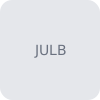 | Aptus July Buffer ETF | Cash | 25.17% |
| 3 | 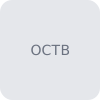 | Aptus October Buffer ETF | Cash | 25.15% |
| 4 | 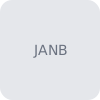 | Aptus January Buffer ETF | Cash | 25.07% |
| 5 | #JULB | Aptus July Buffer ETF | Stock | 25.07% |
| 6 | #JANB | Aptus January Buffer ETF | Stock | 25.02% |
| 7 | #APRB | Aptus April Buffer ETF | Stock | 24.50% |
| 8 | 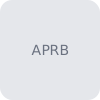 | Aptus April Buffer ETF | Cash | 24.44% |
| 9 | NMFQS:FXFXX | First American Funds, Inc. - Treasury Obligations Fund | Cash | 0.16% |
| 10 | MUTF:FXFXX | First American Treasury Obligs X | Stock | 0.16% |
Source: Fund holdings disclosures. Data as of Oct 4, 2026. Data sources and methodology
As of Oct 4, 2026, Aptus Laddered Buffer ETF (ABUF) holds 7 securities. The largest are Aptus October Buffer ETF (25.25%), Aptus July Buffer ETF (25.17%), Aptus October Buffer ETF (25.15%). The holdings table lists each position by portfolio weight with its ticker, name and asset type.
As of Oct 4, 2026, the 10 largest positions make up 200.0% of ABUF's assets. A concentrated portfolio has fewer large positions with higher individual weights, while a diversified portfolio distributes holdings more evenly.
The Sector Allocation chart shows how ABUF distributes investments across different industries like Technology, Healthcare, Financials, and more. This sector exposure helps understand the fund's industry diversification strategy.
ABUF's geographic exposure is shown in the Countries tab under Portfolio Allocations. This reveals the fund's international diversification and exposure to different regions and global markets.
ABUF's diversification can be assessed by reviewing its 7 holdings (as of Oct 4, 2026), sector allocation, and geographic exposure. A well-diversified ETF spreads investments across multiple securities, sectors, and regions to reduce concentration risk.